HVAC AI Agent: The Smart Future of Heating and Cooling
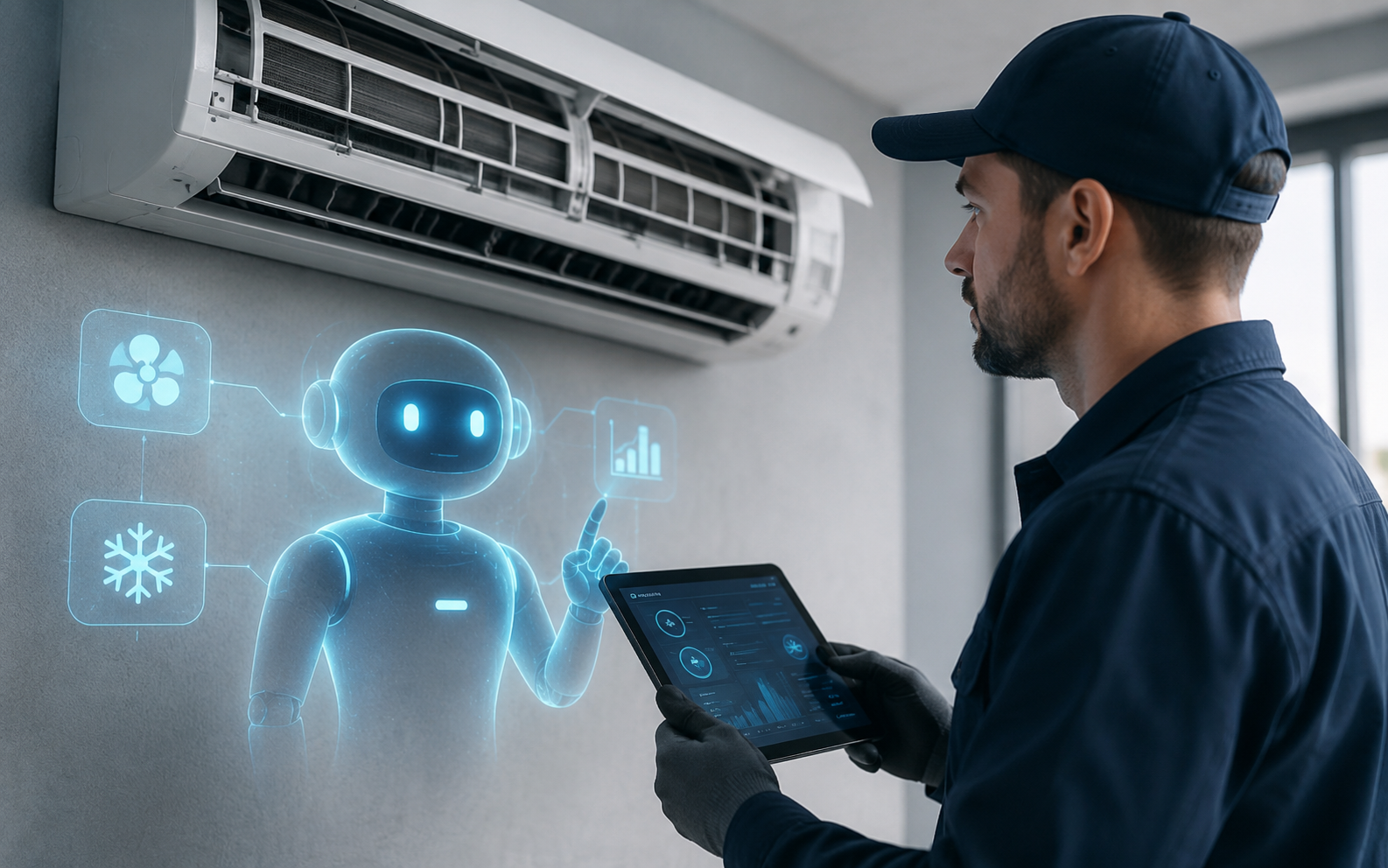
An HVAC AI agent is a software tool powered by machine learning that automates tasks like scheduling, customer support, diagnostics, and energy management for heating and cooling systems. It helps HVAC businesses save time, cut costs, and serve customers faster—around the clock.
The HVAC industry is changing fast, and the HVAC AI agent sits right at the center of that shift. These smart digital assistants use artificial intelligence to handle repetitive jobs, answer customer questions, and even predict equipment failures before they happen. For contractors, technicians, and building managers, that means less busywork and more time spent on what really matters.
In this guide, you’ll learn what an HVAC AI agent is, how it works, and why so many companies are adopting one. We’ll also cover real use cases, practical SEO tips for HVAC businesses, and what the future holds. Whether you run a small repair shop or manage dozens of commercial buildings, this post will help you understand the value these tools bring.
Let’s break it all down in plain English.
What Is an HVAC AI Agent?
An HVAC AI agent is a digital assistant built specifically for the heating, ventilation, and air conditioning industry. It uses machine learning and automation to complete tasks that once required a human—like booking appointments, sending reminders, or troubleshooting common issues.
Think of it as a tireless team member. It never sleeps, never takes a break, and can handle hundreds of conversations at once. Some agents work through chat on a website. Others answer phone calls, manage emails, or connect directly to smart thermostats and building systems.
Unlike a basic chatbot that follows a fixed script, an HVAC AI agent learns over time. It studies past interactions, spots patterns, and improves its answers. This makes it far more useful for both customers and staff.
The goal is simple: take the heavy lifting off your team so they can focus on skilled work that only humans can do.
Key Benefits of an HVAC AI Agent
Adopting an HVAC AI agent brings clear, measurable gains. Here are the biggest ones.
1. Round-the-Clock Customer Support
Customers don’t only have problems during business hours. A broken furnace at midnight is stressful. An AI agent answers right away, books a service call, and reassures the customer—no matter the time.
2. Lower Operating Costs
Automation reduces the need for large support teams. The agent handles routine questions, leaving your staff free for complex jobs. Over time, this trims labor costs without hurting service quality.
3. Faster Response Times
Speed wins business. When a lead reaches out, the agent replies in seconds. Studies across service industries show that faster responses lead to higher booking rates.
4. Fewer Errors
Manual scheduling can lead to double bookings or missed appointments. An HVAC AI agent keeps everything organized and synced, cutting down on costly mistakes.
5. Smarter Energy Management
Some agents connect to smart HVAC systems. They adjust temperatures, track energy use, and suggest savings. This helps building owners lower bills and meet sustainability goals.
How Does an HVAC AI Agent Work?
The technology behind an HVAC AI agent may sound complex, but the process is easy to follow.
Step 1: Data Collection
The agent gathers information from past service calls, customer messages, and equipment sensors. This data forms the foundation for smart decisions.
Step 2: Machine Learning
Using machine learning, the agent studies patterns in that data. It learns which questions come up most, which problems are common, and how to respond well.
Step 3: Natural Language Understanding
The agent reads and understands human language. So when a customer types, “My AC is blowing warm air,” it knows exactly what that means and how to help.
Step 4: Automation and Action
Once it understands the request, the agent takes action. It might schedule a visit, send a quote, or guide the customer through a quick fix.
Step 5: Continuous Improvement
Every interaction makes the agent smarter. This agile approach means it keeps getting better at serving your customers month after month.
Real-World Use Cases for an HVAC AI Agent
Wondering how this works in practice? Here are common ways HVAC companies put these agents to work.
Appointment Scheduling
The agent checks technician availability and books jobs automatically. Customers pick a time that suits them, and the calendar updates instantly.
Lead Qualification
Not every inquiry is ready to buy. An HVAC AI agent asks the right questions to sort hot leads from cold ones, so your sales team focuses on the best opportunities.
Diagnostics and Troubleshooting
For simple issues, the agent walks customers through basic checks. Sometimes that solves the problem—saving a service trip. When it can’t, it dispatches a technician with the right parts.
Maintenance Reminders
Regular tune-ups extend equipment life. The agent sends timely reminders, helping you build recurring revenue through service contracts.
Predictive Maintenance
By analyzing sensor data, advanced agents predict when a system might fail. This lets you fix problems early, before they turn into emergencies.
Customer Follow-Up
After a job, the agent checks in, asks for reviews, and shares helpful tips. This builds loyalty and brings in repeat business.
SEO Tips for HVAC Businesses Using AI
Having an HVAC AI agent is great. But customers still need to find you online. That’s where smart SEO comes in. Here are practical tips to boost your visibility.
Target Local Keywords
Most HVAC searches are local. Use terms like “AC repair in [your city]” across your site. This helps you show up when nearby customers search.
Use AI SEO Tools
AI SEO tools speed up keyword research, content planning, and optimization. They spot gaps your competitors miss and suggest topics worth covering.
Embrace Agile SEO
Agile SEO means testing, measuring, and adjusting often. Instead of one big yearly plan, you make small improvements regularly. This keeps your site fresh and competitive.
Create Helpful Content
Write posts that answer real customer questions—like “How often should I change my air filter?” Helpful content earns trust and ranks well.
Optimize for Voice Search
Many people use voice assistants to find services. Write in a natural, conversational style so your content matches how people actually speak.
Leverage Machine Learning Insights
Machine learning can reveal which pages perform best and why. Use those insights to improve weaker pages and double down on winners.
The Future of the HVAC AI Agent
The HVAC AI agent is still young, but its growth is fast. Several trends point to an exciting road ahead.
First, expect deeper integration with smart home devices. Agents will talk directly to thermostats, air purifiers, and sensors, creating a fully connected system.
Second, predictive maintenance will become standard. As machine learning improves, agents will spot failures earlier and with greater accuracy. This shifts the industry from “fix it when it breaks” to “prevent it before it breaks.”
Third, personalization will deepen. Future agents will remember each customer’s history, preferences, and equipment details. That means service that feels tailored and human—even when it’s automated.
Finally, energy efficiency will take center stage. With rising costs and climate goals, AI agents that optimize energy use will be in high demand. They’ll help homes and buildings run greener and cheaper.
Businesses that adopt an HVAC AI agent now will be well ahead when these trends go mainstream.
Final Thoughts
The HVAC AI agent is more than a passing trend—it’s a practical tool that solves real problems. It answers customers around the clock, cuts costs, reduces errors, and keeps systems running smoothly. Powered by machine learning and automation, it handles the routine so your team can focus on skilled work.
We’ve covered what an HVAC AI agent is, how it works, and the many ways it adds value. We’ve also explored SEO strategies—from AI SEO tools to agile SEO—that help your business get found online. And we’ve looked at a future full of smarter, greener, more personal service.
The takeaway is simple. Heating and cooling companies that embrace this technology will work faster, serve better, and grow stronger. The tools are ready today. The question is whether you’re ready to use them.
Frequently Asked Questions
What does an HVAC AI agent cost?
Costs vary based on features and company size. Many providers offer monthly subscriptions, often starting around $50 to a few hundred dollars per month. Larger systems with custom integrations cost more. Many businesses find the savings in labor and faster bookings outweigh the price.
Can an HVAC AI agent replace human technicians?
No. An HVAC AI agent handles digital tasks like scheduling, support, and diagnostics. It cannot install or repair physical equipment. Its job is to free up your skilled technicians, not replace them.
How long does it take to set up an HVAC AI agent?
Setup time depends on the tool. Simple chat-based agents can be ready in a day or two. More advanced systems that connect to your calendar, CRM, and equipment sensors may take a few weeks to fully configure.
Is an HVAC AI agent right for small businesses?
Yes. Small HVAC shops often benefit most because they have limited staff. An AI agent acts like an extra team member, handling calls and bookings so owners can focus on the work itself.
What’s the difference between a chatbot and an HVAC AI agent?
A basic chatbot follows fixed scripts and can only answer set questions. An HVAC AI agent uses machine learning to understand context, learn over time, and take real actions like booking jobs or running diagnostics.