PPC for SaaS Companies: A Complete Growth Guide
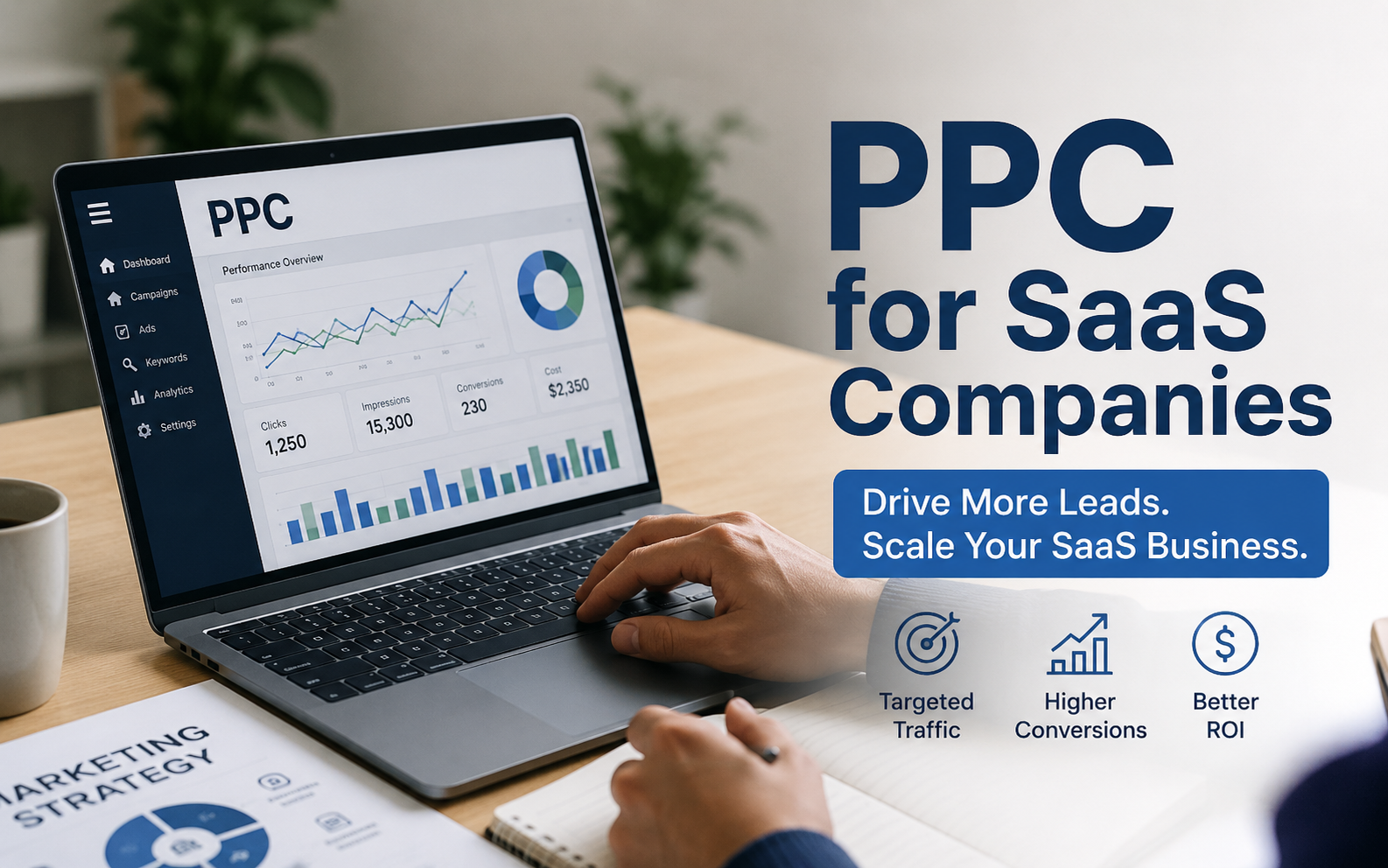
PPC for SaaS companies works best when paid campaigns are paired with AI SEO tools that automate keyword research, optimize landing pages, and analyze performance in real time. This combination helps lean marketing teams move faster, cut wasted spend, and scale campaigns without scaling headcount.
Running paid ads for a software product is a different beast than promoting a physical good. SaaS sells subscriptions, not one-time purchases, which means every click needs to lead to a long-term relationship. That pressure makes efficiency everything.
This is where two disciplines that used to live in separate departments are starting to merge. Paid search teams and SEO teams are now sharing the same AI-powered tools, the same data, and often the same goals. The result is a more agile approach to growth—one where campaigns adjust quickly and budgets stretch further.
In this post, we’ll break down how PPC for SaaS companies actually functions, why it’s so closely tied to SEO, and how AI tools help small teams operate like much larger ones. You’ll come away with practical insights you can apply to your own marketing workflow.
What is PPC for SaaS companies?
PPC, or pay-per-click, is a model where advertisers pay a fee each time someone clicks their ad. For software businesses, these ads usually appear on search engines like Google, on social platforms like LinkedIn, or across display networks.
The core idea of PPC for SaaS companies is to capture demand at the exact moment a buyer is searching for a solution. Someone typing “best project management software” into Google is showing clear intent. A well-placed ad puts your product in front of them right then.
What makes SaaS unique is the customer lifetime value (LTV). Because subscribers pay monthly or annually, you can often afford to spend more to acquire a customer than a retailer selling a single item. That changes how you think about cost per click and return on ad spend.
Why SaaS PPC is harder than it looks
The challenge is that software keywords are expensive and competitive. Terms like “CRM software” or “email marketing platform” can cost well over $50 per click in some markets. Burn through your budget on the wrong audience, and you’ll have little to show for it.
SaaS buyers also research carefully. They compare features, read reviews, and test free trials before committing. A single click rarely closes a deal. Instead, you’re guiding prospects through a longer funnel, which demands smarter targeting and patient measurement.
Why PPC and SEO work better together for SaaS
Many teams treat paid and organic search as rivals fighting over the same budget. That’s a mistake. The smartest SaaS marketers run them as partners.
Here’s the logic. Your PPC campaigns generate fast, clean data about which keywords convert. That information is gold for your SEO strategy. If “automated invoicing tool” drives signups in paid search, it’s worth targeting organically too. You learn what works through ads, then build durable content around those winners.
The reverse is also true. Strong organic rankings build trust and lower your cost per acquisition over time. Meanwhile, paid ads fill the gaps where you don’t yet rank. Together, they cover more of the search results page and give buyers more reasons to click.
For PPC for SaaS companies operating with tight budgets, this overlap is a major advantage. You’re not paying twice for the same insight—you’re reusing it across channels.
How AI SEO tools scale agile marketing solutions
Agile marketing borrows from agile software development. Instead of planning a giant campaign for six months, teams work in short cycles, test ideas quickly, and adjust based on results. AI SEO tools make this possible at a speed that manual work simply can’t match.
Faster keyword research and intent mapping
Keyword research used to take days. A marketer would pull data from several tools, sort spreadsheets, and guess at search intent. AI changes that.
Modern AI SEO platforms cluster thousands of keywords by intent in minutes. They identify which terms signal a buyer ready to purchase versus someone just learning. For PPC for SaaS companies, this means you can build tightly themed ad groups quickly and stop wasting money on informational searches that rarely convert.
Smarter landing page optimization
Your ad is only as good as the page it sends people to. AI tools analyze landing page copy, suggest improvements to headlines, and flag content that doesn’t match search intent. Some even predict which version of a page will convert better before you run a full test.
A real-world example: a SaaS team might use an AI tool to discover their pricing page loads too slowly and buries the free trial button. Fixing those issues lifts conversion rates, which directly lowers the cost of every paid click that lands there.
Real-time performance analysis
The biggest win is speed of insight. AI tools monitor campaign data around the clock and surface patterns a human might miss for weeks. They can flag a keyword that’s suddenly draining budget, or spot a high-performing ad worth scaling.
This is the heart of agile growth. When PPC for SaaS companies can react within hours instead of weeks, small teams compete with much larger rivals. You shift spend toward what’s working before the budget runs dry.
Automated reporting that frees up time
Reporting eats hours that could go toward strategy. AI tools now generate clear performance summaries automatically, pulling data from paid and organic channels into one view. Marketers spend less time building dashboards and more time making decisions.
Practical PPC strategies for SaaS teams
Tools only help if the underlying strategy is sound. Here are approaches that consistently work for software businesses.
Target bottom-of-funnel keywords first
Start with high-intent searches. Terms that include “software,” “tool,” “platform,” “pricing,” or “alternative” tend to attract buyers, not browsers. Someone searching “[competitor] alternative” is often ready to switch. These keywords cost more, but they convert.
Use competitor comparison campaigns
Bidding on competitor brand names is a classic SaaS tactic. When a prospect searches for a rival product, your ad offers them another option to consider. Pair this with an honest comparison page, and you can win deals at the moment of decision.
Build dedicated landing pages for each campaign
Sending paid traffic to your homepage wastes money. Each ad group deserves a focused page that matches the searcher’s query. If someone clicks an ad for “team scheduling software,” the page should talk about scheduling, not your full feature list.
Lean on free trials and demos
The best PPC for SaaS companies leads with a low-friction offer. A free trial or interactive demo lets buyers experience value before paying. This shortens the sales cycle and gives you behavioral data to refine future campaigns.
Common mistakes to avoid
Even experienced teams stumble. Watch out for these traps.
- Ignoring negative keywords. Without them, you’ll pay for irrelevant clicks. Add terms like “free,” “jobs,” or “tutorial” to your negative list if they don’t fit your goals.
- Measuring the wrong metric. Clicks and impressions feel good, but signups and customer LTV matter more. Track conversions all the way to revenue.
- Setting and forgetting. PPC for SaaS companies needs constant tending. Markets shift, competitors enter, and costs rise. Review campaigns weekly at minimum.
- Neglecting mobile. Many SaaS buyers research on phones even if they buy on desktop. Make sure ads and pages work flawlessly on small screens.
Bringing it all together for scalable growth
The line between paid and organic search keeps fading, and AI tools are the reason. When your PPC for SaaS companies strategy feeds your SEO efforts—and your AI tools handle the heavy lifting of research, optimization, and analysis—you get a marketing engine that scales without burning out your team.
Start small. Pick one AI SEO tool, connect it to your paid campaigns, and run a single agile sprint. Test a handful of high-intent keywords, build matching landing pages, and measure conversions closely. Learn from the data, then expand what works.
The companies that win in software marketing aren’t always the ones with the biggest budgets. They’re the ones that move fast, learn quickly, and let smart tools amplify a small team’s effort. That’s the real promise of pairing PPC with AI-driven SEO.
Frequently asked questions
How much should a SaaS company spend on PPC?
There’s no fixed number, but many SaaS startups begin with a test budget of $3,000 to $10,000 per month to gather meaningful data. The right amount depends on your customer lifetime value and how competitive your keywords are. Scale spend once you find campaigns that convert profitably.
Is PPC or SEO better for SaaS companies?
Neither is strictly better—they serve different timelines. PPC delivers fast results and immediate data, while SEO builds lasting, lower-cost traffic over months. Most successful SaaS teams run both, using PPC data to guide their SEO content strategy.
How do AI SEO tools reduce PPC costs?
AI SEO tools cut PPC costs by improving keyword targeting, identifying wasted spend in real time, and optimizing landing pages for higher conversion rates. When more clicks turn into customers, your effective cost per acquisition drops even if cost per click stays the same.
What metrics matter most for SaaS PPC campaigns?
Focus on conversion rate, cost per acquisition, and customer lifetime value rather than surface metrics like clicks or impressions. For subscription businesses, the ratio of customer LTV to acquisition cost is the clearest sign of whether a campaign is truly profitable.
How quickly can AI tools improve campaign performance?
Because AI tools analyze data continuously, they can surface actionable insights within days rather than weeks. This speed is what enables agile marketing—teams can adjust bids, pause underperforming ads, and reallocate budget almost in real time.